
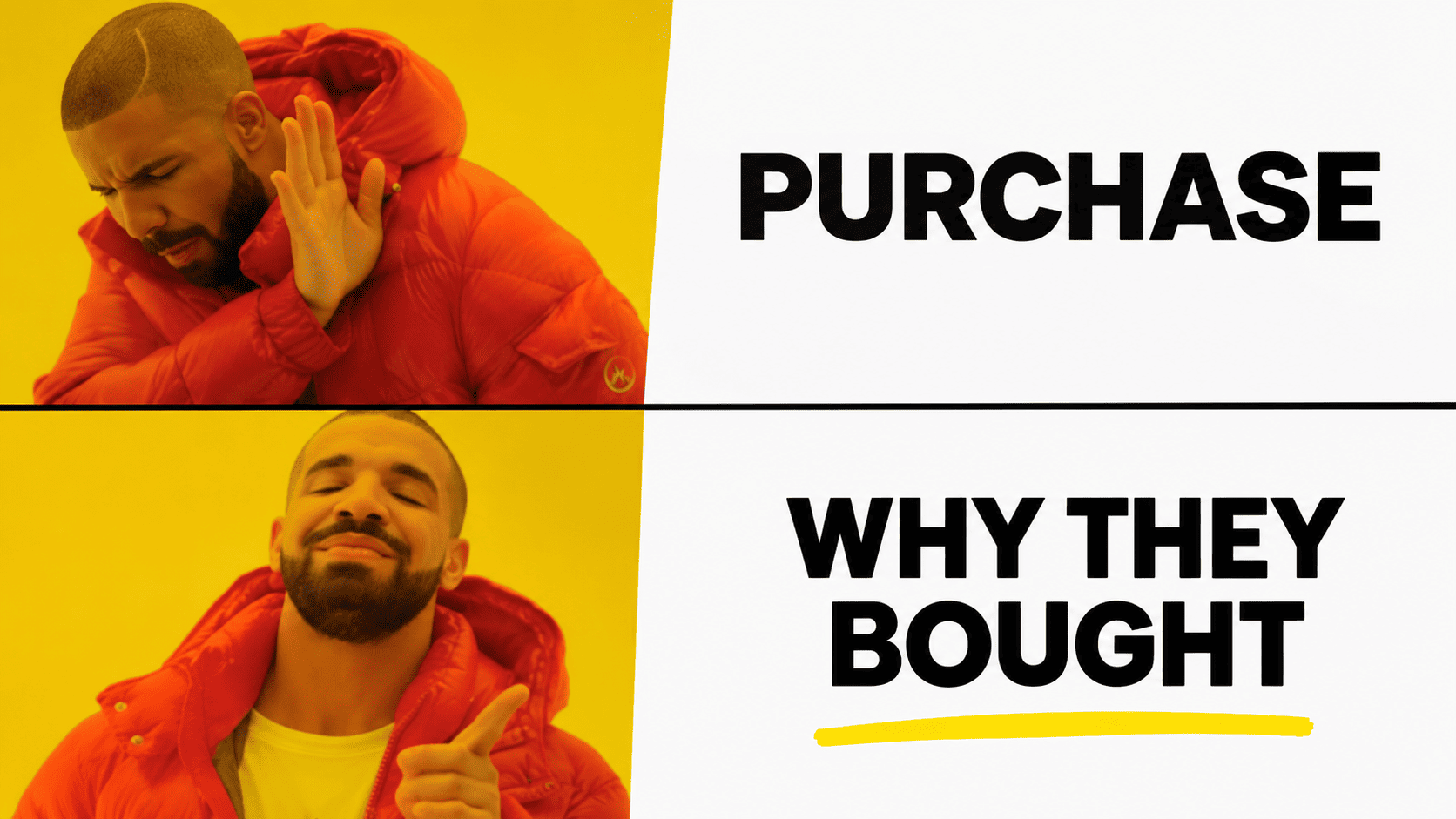
Meta and Google optimise on the signals you send them. Today most brands send one word for every sale: "Purchase". This note explains what changes when you send better signals, and the two separate tools that make it possible.
This is written for a brand doing between ₹50 lakh and ₹2 crore in monthly revenue. If that is you, you are probably stuck at a certain scale. Ads still work, but growth has flattened, and more spend no longer buys the same results.
A big lever for unlocking the next stage is looking at your data more granularly. When you are small, there is no point in slicing data finely. Going from 0 to 1 is a creative process: find something people want and say it well. Going from 1 to 10 is different. You need to be scientific, and you need to get deeper into your data.
This is one of the first things in our playbook for taking brands from 1 to 10.
Every order your store sends to Meta is called Purchase. Two different products look identical to the algorithm. So does an order that is returned a week later. So does a customer who has been on your site for the first time and one who has visited six times.
Meta then learns "find more people like the people who bought", which is a blurry instruction. You cannot see which product, audience or source is really paying back, and the platform cannot either. You get one blended ROAS and one blended instruction.
The fix is stronger first-party data, meaning information your customers give you directly or that you collect on your own domain. We use two tools for it. They are not connected to each other. Each has its own data source and its own objective.
Alia runs the popups on your site. They ask one short question at a time, save every answer as it is given, and tell your story while they do. The answers are zero-party data: what customers choose to tell you. For a creative strategist this is the most powerful way to learn who the consumer really is, what worries them and what they want, at a scale one-to-one calls never reach.
CustomerLabs gives Google Ads, Meta Ads and your email marketing tools better data. Wherever a tool optimises with an algorithm, it makes that data sharper and more specific, for example a purchase event per product, or only the orders that were kept.
It also sets a lifetime cookie from your own domain. A normal cookie expires or resets, so when a customer comes back weeks later they look brand new. With a lifetime cookie they stay one person, and their first visit is still remembered.
Three brands we work with, and what each tool showed us.
Gully Labs is a sneaker brand that represents India globally. We use CustomerLabs here. Every pair used to reach Meta as the same Purchase event. Now each order carries its size and its design, so we can read ROAS by size and ROAS by design instead of one blended number.
It also shows how each customer first found the brand. We can see whether a first purchase came after discovery through an influencer or through Google Ads. Once several hundred purchases have come through each source, we can assign a different return on investment to each one, instead of giving one blended number to both.
Rara Barefoot makes India's first line of true barefoot lifestyle sneakers. Here Alia was the tool that mattered. By asking buyers why they were buying, we learned that 65% of people buying were buying for comfort, not because it is a barefoot shoe.
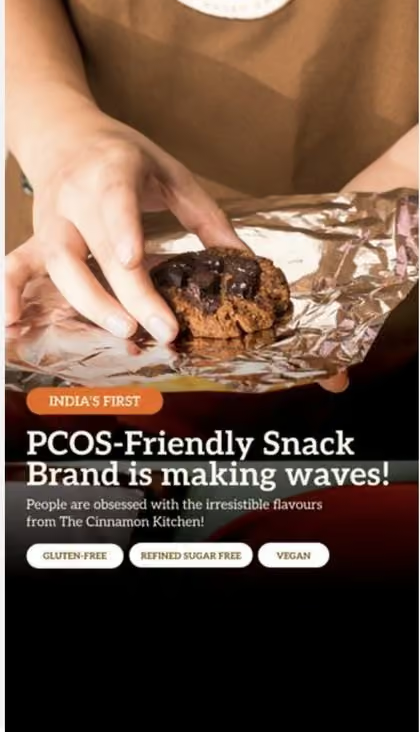
The Cinnamon Kitchen makes snacks and cookies. We used Alia, and one of its popup questions was "What makes Cinnamon Kitchen your go to brand?", with options such as gluten free, PCOS friendly and refined sugar free. The answers showed that 65% of the users making a purchase have PCOS themselves. It was a key data point, and one that browsing and ad data could never have told us.
It went straight into creative. People were choosing "PCOS Friendly", so the ad led with exact
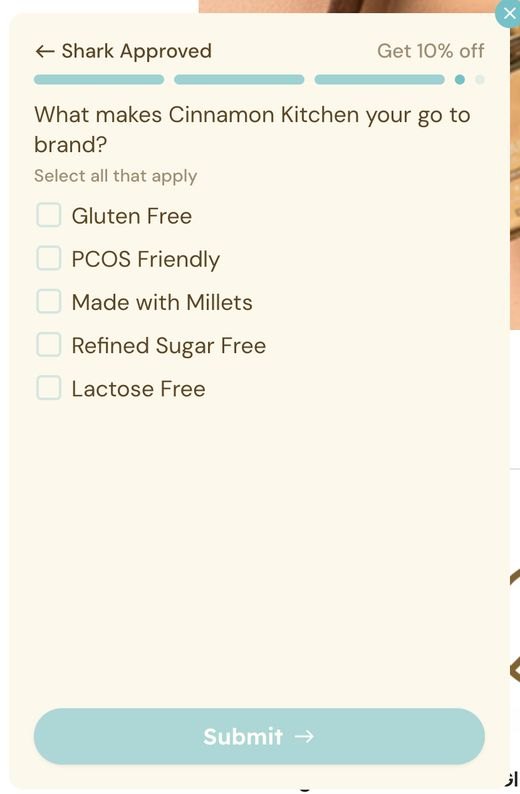
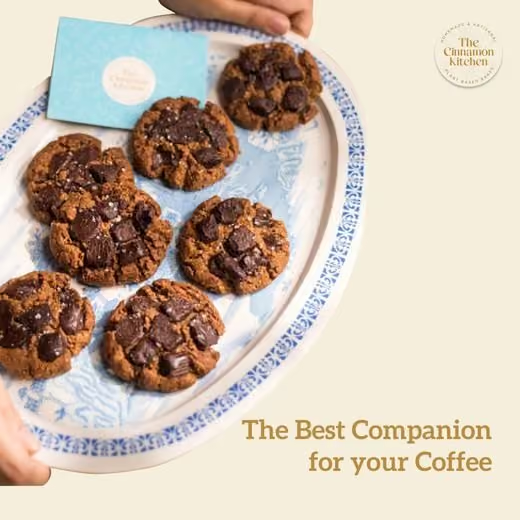
Another question showed that 70% of users on the website preferred coffee over chai. The next creative followed it: "The best companion for your coffee".
Over the same period, blended ROAS went from 4.7 to 5.3 on the same ad spend, we collected about 12,000 more pieces of user data every month, and we went from 25 or more new creatives a month to 10 to 12. We cannot prove that the popup alone caused the ROAS change, but it is the thing that changed what we made.
Shopify will tell you how many repeat customers you have. It will not tell you how many sessions came from repeat users, or how many came from new users. CustomerLabs does, because it recognises the same person across visits.
Returned-to-origin (RTO) and cancelled orders are counted as purchases by default, so the algorithm keeps learning from buyers who never keep the product. You can send a separate net purchase event only when an order is delivered and kept, and optimise on that.
One practical limit: each custom event needs enough volume for the platform to learn from it, roughly 50 events a week per ad set is the usual guide. Start with a few groups, not every variant.
Every product page can teach you something about the person looking at it. These are questions that could be asked on the pages of other brands.
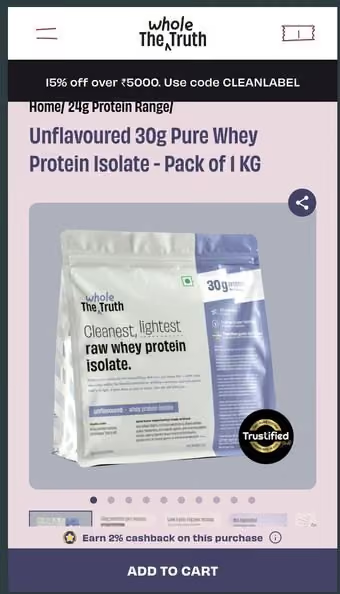
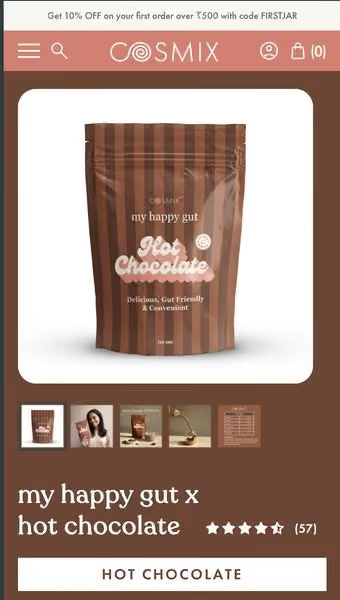
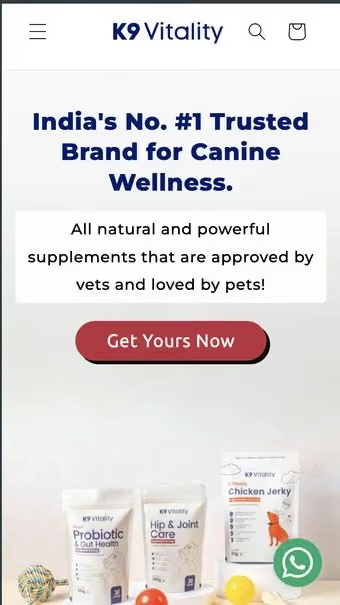
We wrote more on this in optimising your popup.
We have not run this for Bloon Toys. This is how we would approach it.
Start with the questions every parent can answer quickly:
The sibling question lets us test two opposite hypotheses, and we do not know in advance which is true.
The Pikler comes in versions for different ages. We would pass a different purchase event for each age group, so ROAS can be read by age. If the products for 0 to 2 year olds return a higher ROAS, we would put more money into making creator content for that group.
The obvious worry is accuracy: a parent might see the ad for a smaller Pikler and buy a bigger one. The event is built from the product in the basket, not from the ad clicked, so the credit goes to the age group that was actually bought, and the source is stored next to it.
Two tools, set up separately. Together they cost about $300 to $500 a month to set up and run. The exact figure depends on your traffic and plan.
If you are planning to implement either of these, send us a DM on Instagram (@porcellia_) or email ritesh@porcellia.com.
As a thank-you for being part of our newsletter community, we will give you a referral code for the tools.
In a world optimized for speed and dopamine, meaning is the only thing that lasts.
Read the full storyIn a world optimized for speed and dopamine, meaning is the only thing that lasts.
Read the full story
Get your hands on the the stuff that actually compounds.
Positioning. Retention. Content. Community.

Welcome to Finsweet's accessible modal component for Webflow Libraries. This modal uses Webflow Interactions to open and close. It is accessible through custom attributes and custom JavaScript added in the embed block of the component. If you're interested in how this is built, check out the Attributes documentation page for this modal component.
See docs